
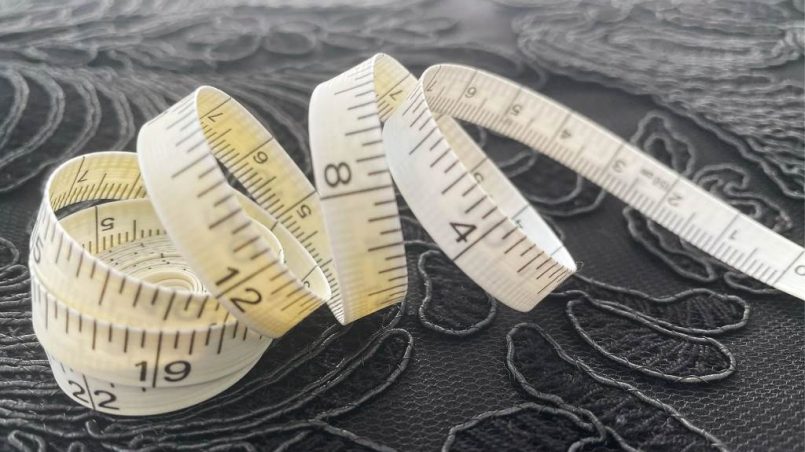
Vintage dresses ooze charm, history, and timeless style. But finding the right fit can feel like decoding a mystery. Unlike modern sizes, vintage clothing sizes vary wildly across eras, brands, and countries. This guide breaks down everything you need to know about vintage dress size charts. You’ll learn how to measure your body, understand size conversions, and shop confidently for that perfect retro look.
According to a 2023 study by the Fashion Institute of Technology, 68% of vintage shoppers struggle with sizing due to inconsistent standards. The U.S. National Institute of Standards and Technology notes that sizing systems have evolved significantly since the 1940s, complicating vintage purchases. Ready to master vintage sizing? Let’s dive in.
Why Vintage Dress Sizing Is Different
Vintage dresses come from a time before standardized sizing. The industrial revolution and mail-order catalogs, like the Sears catalog, introduced early sizing systems. But these were far from uniform. Brands used their own sizing methods, and vanity sizing didn’t exist. A size 12 in the 1950s is closer to a modern size 6 or 8.
Vintage garments also reflect the body shapes of their era. Swing-style dresses from the 1940s flattered hourglass figures, with defined waists and fuller skirts. Fabrics had less stretch, so precise measurements were key. Understanding these differences helps you shop smarter.
How to Measure Yourself for Vintage Dresses
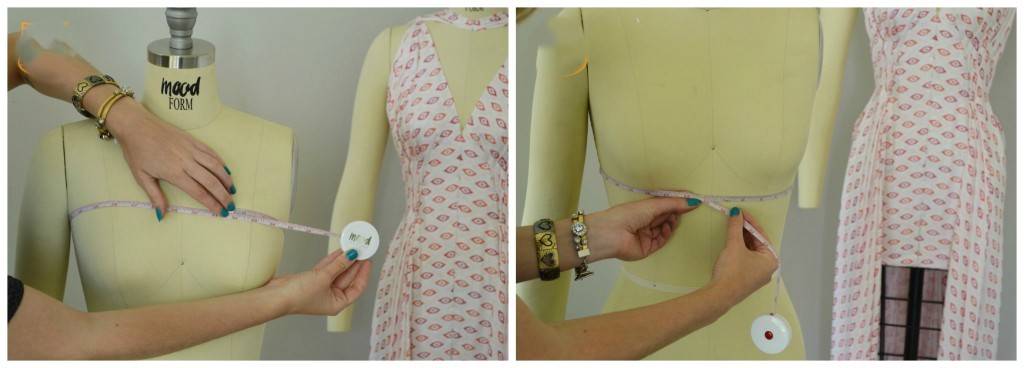
Accurate body measurements are your best friend when shopping for vintage clothing. Grab a fabric measuring tape and follow these steps.
Step-by-Step Measurement Guide
- Bust Circumference: Wrap the tape around the fullest part of your chest. Keep it snug but not tight.
- Waist Circumference: Measure the narrowest part of your waist, usually above your belly button.
- Hip Circumference: Measure the widest part of your hips, about 7–9 inches below your waist.
- Back Length: Measure from the base of your neck to your waist for dresses with fitted bodices.
- Across Shoulder: Measure across the top of your shoulders for sleeve length and fit.
- Length Measurement: For dress length, measure from your shoulder to where you want the hem to fall.
Pro Tip: Wear thin clothing while measuring. Stand naturally, and don’t suck in your stomach. Record measurements in inches and centimeters for flexibility.
Understanding Vintage Dress Size Charts
Vintage size charts differ by era, country, and brand. Here’s a breakdown of key factors.
Eras and Their Sizing Quirks
- 1920s–1930s: Numeric sizing was rare. Dresses were often custom-made or labeled with vague terms like “small” or “medium.”
- 1940s–1950s: Numeric sizes (e.g., 12, 14) emerged but were smaller than today’s equivalents. Marilyn Monroe famously wore a size 12, which aligns with a modern size 4–6.
- 1960s–1970s: Alpha sizing (S, M, L) began, but numeric sizing still dominated. UK and US standards diverged.
- 1980s–1990s: Vanity sizing crept in, making sizes larger to flatter customers.
Country-Specific Sizing
- US Size: Based on numeric sizing (e.g., 0, 2, 4). Vintage US sizes are smaller than modern ones.
- UK Size: Often one size larger than US equivalents. A UK vintage size 10 might match a US size 8.
- EU Size: Uses numbers like 36, 38, or 40. European vintage sizes vary by country, like IT size (Italy) or French womenswear.
- AMV Size: Some vintage retailers use proprietary systems, like AMV size, which blends numeric and alpha systems.
Size Conversion Chart
Here’s a quick reference for vintage sizing:
| Vintage US Size | Modern US Size | UK Size | EU Size | Bust (in) | Waist (in) | Hips (in) |
|---|---|---|---|---|---|---|
| 10 | 2–4 | 8 | 36 | 32–34 | 24–26 | 34–36 |
| 12 | 4–6 | 10 | 38 | 34–36 | 26–28 | 36–38 |
| 14 | 6–8 | 12 | 40 | 36–38 | 28–30 | 38–40 |
Note: Always check the retailer’s size chart. Vintage lovers should compare measurements, not just size labels.
Navigating Vintage Retailer Size Charts
Vintage retailers often provide their own size and fit guides. Some, like UV Brand, include detailed measurement points for bust, waist, and hips. Others offer a vintage size chart specific to their inventory. Always check the description box on the retailer’s website for sizing details.
If a retailer offers a Marina Dress Size Chart or similar, it may include unique measurements like sleeve length or fabric stretch. Plus-sized vintage options are growing, but they’re less common in older garments. Look for retailers specializing in sustainable luxury or plus-sized vintage fashion.
Tips for Finding the Perfect Fit
Shopping for vintage dresses requires strategy. Here are practical tips to ensure a great fit.
- Check Clothing Tags: Vintage tags often list measurements or numeric sizes. Ignore modern assumptions about size zero or XOS.
- Understand Fabric and Stretch: Vintage fabrics like cotton or wool have little stretch. Look for dresses with a bit of give if you’re between sizes.
- Use a Size Comparison Chart: Cross-reference your measurements with the retailer’s chart.
- Try Before You Buy: If possible, visit a fitting room. Online shoppers should review the return process or instant refund policies.
- Know Your Body Shape: Vintage dresses suit different body shapes. Hourglass figures shine in 1950s styles, while A-line dresses flatter pear shapes.
Common Sizing Pitfalls and How to Avoid Them
Vintage sizing can trip up even seasoned shoppers. Here’s how to dodge common mistakes.
- Assuming Modern Sizes Apply: Always measure. A vintage size 8 isn’t a modern size 8.
- Ignoring Country Differences: US, UK, and EU sizes vary. Use a size conversion chart.
- Overlooking Alterations: Vintage garments often need tailoring. Factor this into your purchase.
- Skipping Measurements: Don’t rely on size labels. Bust, waist, and hip measurements are key.
- Forgetting Returns: Check the retailer’s return history or customer satisfaction policies before buying.
The Role of Technology in Vintage Shopping
Modern technology makes vintage shopping easier. Many retailers use third-party providers to personalize your experience. Website functionality, like sizing filters or measurement guides, streamlines the process. Some sites offer automated approval processes for returns, ensuring customer satisfaction.
Signing up or logging in to a retailer’s site can unlock tailored recommendations. Manage consent preferences to control how your data is used by advertising partners or traffic sources.
Explore Now:
Why Vintage Fashion Is Worth the Effort
Vintage dresses offer unique style and sustainability. They connect you to fashion history, from swing-style dresses to French womenswear. Plus, they’re eco-friendly, reducing the demand for fast fashion. With the right sizing knowledge, you can build a wardrobe that’s both timeless and personal.
Conclusion
Vintage dress sizing doesn’t have to be daunting. Measure your body accurately, understand era and country differences, and use retailer size charts. Compare bust, waist, and hip measurements to find your perfect fit. With these tips, you’ll shop confidently and rock that vintage look.
Ready to start your vintage journey? Check out trusted vintage retailers online and use their size charts to find your dream dress today.
FAQs
How Do I Know My Vintage Dress Size?
Measure your bust, waist, and hips with a fabric tape. Compare them to the retailer’s vintage size chart. Numeric sizing varies by era, so don’t rely on modern sizes.
Are Vintage Sizes Smaller Than Modern Sizes?
Yes. Vintage sizes, especially from the 1940s–1960s, run smaller. A vintage size 12 often fits like a modern size 4–6.
Can I Trust Vintage Clothing Tags?
Not always. Tags may list measurements, but they’re inconsistent. Always verify with your body measurements and the retailer’s size chart.
How Do I Convert US to UK Vintage Sizes?
Vintage UK sizes are typically one size larger than US sizes. Use a size conversion chart or check the retailer’s guide for accuracy.
What If a Vintage Dress Doesn’t Fit?
Check the retailer’s return process. Many offer instant refunds or easy exchanges. Consider tailoring for minor adjustments.
References:
- Fashion Institute of Technology, “Vintage Clothing Trends Report 2023”: https://www.fitnyc.edu/research
- U.S. National Institute of Standards and Technology, “History of Clothing Sizing Standards”: https://www.nist.gov/history
- Sears Catalog Archives: https://www.searsarchives.com