
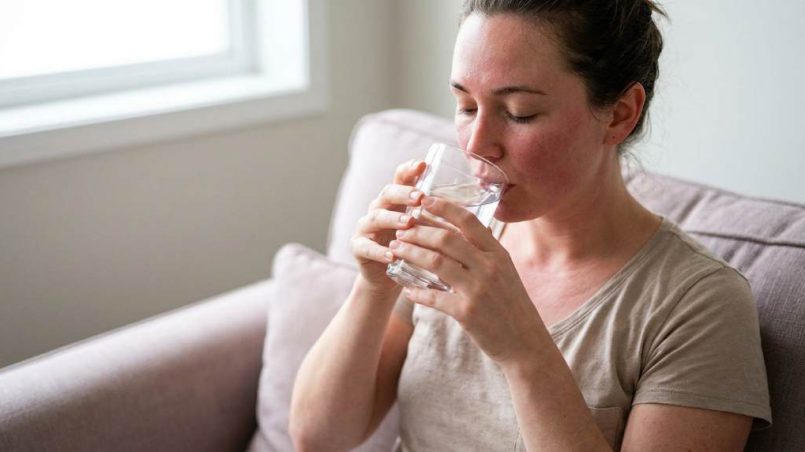
To get rid of soreness after massage, drink water, rest, use gentle movement, and apply comfortable heat or cold. Most mild soreness improves within a day or two, but severe or worsening pain needs medical attention.
A massage can leave muscles tender, especially after deep pressure or focused work. However, soreness does not mean you need another intense treatment immediately. The better approach involves calming irritated tissues while allowing your body time to recover naturally. We suggest visiting the laser hair removal in midtown Manhattan.
Key Takeaways
- Drink water regularly after your massage and continue normal hydration throughout the day.
- Use gentle walking and stretching instead of strenuous workouts while soreness remains.
- Apply warmth for stiffness or cold for localized tenderness and swelling.
- Give heavily worked muscles enough recovery time before scheduling another intense session.
- Tell your massage therapist when pressure feels painful rather than therapeutic.
- Seek professional medical advice when pain becomes severe, persistent, or unusual.
Why Do Muscles Feel Sore After A Massage?
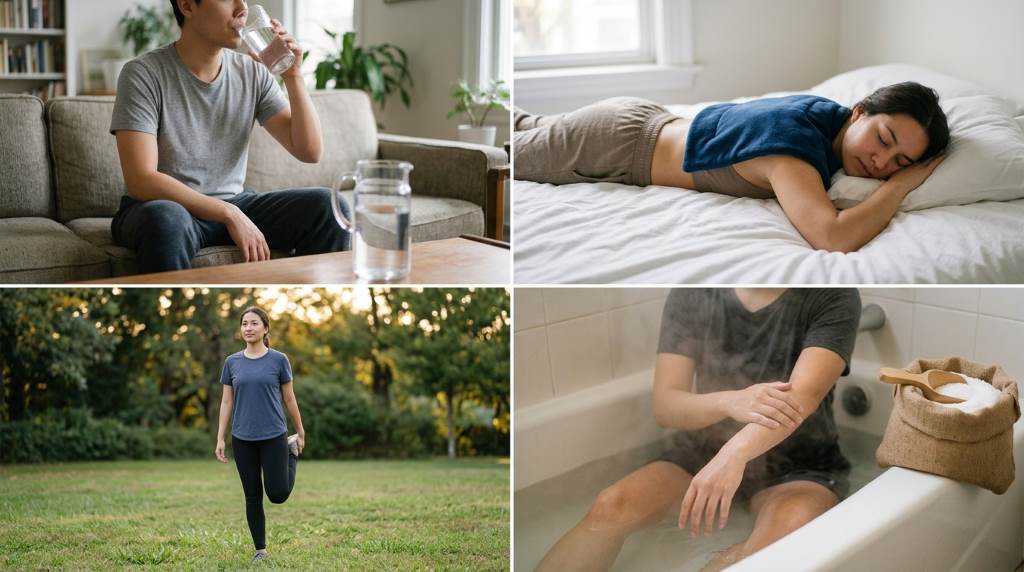
Massage places mechanical pressure on muscles, connective tissues, and other soft tissues. Your body can respond with temporary tenderness after that physical stimulation.
Deep tissue massage often produces more soreness because therapists apply stronger pressure to specific areas. Muscles that already feel tight or sensitive may also react more noticeably.
Your experience can also depend on massage duration, technique, pressure, and personal sensitivity. Therefore, two people can receive similar treatments and experience very different recovery periods.
When Is Post Massage Soreness Normal?
Mild aching, tenderness, or stiffness can occur after massage and usually improves with time. The discomfort should gradually become easier rather than steadily intensify.
You should still feel able to move normally during everyday activities. A mild tender sensation differs from sharp, severe, or disabling pain.
How To Get Rid Of Soreness After Massage
1. Drink Water Regularly
Start with normal hydration after your massage rather than forcing excessive amounts of water. Drink according to thirst and your usual daily needs.
Water supports normal body functions and helps maintain fluid balance. However, drinking extra water cannot instantly remove soreness or repair damaged tissue.
Keep water nearby during the hours following treatment. If you exercised or sweated heavily that day, replace fluids according to your usual needs.
2. Take A Warm Shower
Warm water can feel soothing when muscles feel tight or stiff after massage. A comfortable shower can help you relax without adding physical stress.
Keep the temperature comfortably warm rather than extremely hot. Excessive heat can irritate sensitive skin and make you feel lightheaded.
Spend several minutes allowing warm water to reach the sore areas. Then dry off gently and avoid aggressive rubbing.
3. Use Heat For Stiffness
Heat can provide comfort when soreness feels dull, tight, or stiff. A heating pad can offer localized warmth without requiring additional physical activity.
Use a comfortable setting and protect your skin when necessary. Avoid falling asleep while using an electric heating device.
Heat works best as a comfort measure rather than a cure. Stop using it if the area becomes more painful or irritated.
4. Try Cold For Localized Tenderness
Cold can feel useful when one specific area feels tender or mildly swollen. Wrap a cold pack in a cloth before placing it against your skin.
Keep sessions brief and monitor how your skin responds. Stop immediately if you develop excessive numbness, burning, or worsening discomfort.
You do not need to alternate heat and cold automatically. Choose the approach that feels more comfortable for your specific symptoms.
5. Walk Instead Of Resting Completely
Complete inactivity can make ordinary stiffness feel worse for some people. A gentle walk can keep your body moving without heavily loading sore muscles.
Start slowly and keep the intensity low. You should finish feeling the same or better, not significantly more painful.
Short walks around your home or neighborhood can work well. You can increase activity gradually as your soreness decreases.
6. Perform Gentle Stretches
Gentle stretching can help you maintain comfortable movement after massage. Move slowly and stop before reaching painful resistance.
Hold each comfortable position briefly rather than forcing deeper range. Avoid bouncing because sudden movements can increase irritation.
Focus on areas that feel mildly tight rather than aggressively targeting painful spots. Your goal should remain comfortable mobility, not maximum flexibility.
7. Skip Intense Workouts Temporarily
Your muscles may need recovery time after receiving significant pressure. Adding heavy exercise immediately can increase physical stress on already tender areas.
Instead, choose walking, easy mobility work, or another low intensity activity. Return to demanding training when normal movement feels comfortable again.
If your workout normally targets the sore area, reduce the load temporarily. Recovery should guide your training intensity rather than a fixed schedule.
8. Eat Normally And Support Recovery
Your body needs adequate nutrition to maintain normal tissue repair and daily function. Continue eating balanced meals instead of restricting food after massage.
Include protein rich foods alongside vegetables, fruits, whole grains, and healthy fats. Regular meals can support recovery without requiring special supplements.
You do not need a complicated recovery diet for ordinary massage soreness. Consistent nutrition matters more than expensive powders or unusual remedies.
9. Prioritize Sleep
Good sleep gives your body time to recover from everyday physical stress. Therefore, treat the evening after a demanding massage as a recovery period.
Keep your normal bedtime and create a comfortable sleeping environment. Avoid adding unnecessary physical activity late at night.
If soreness makes your usual sleeping position uncomfortable, adjust your pillows or body position. Small changes can reduce pressure on sensitive muscles.
What To Avoid After A Massage
Some recovery mistakes can make normal soreness feel worse. Avoiding them can help your body settle more comfortably after treatment.
- Avoid another deep massage while the same muscles remain significantly sore.
- Avoid heavy lifting when movement still causes notable discomfort.
- Avoid aggressive stretching that creates sharp or increasing pain.
- Avoid using extreme heat on already irritated or sensitive skin.
- Avoid repeatedly pressing sore muscles to test whether they still hurt.
- Avoid ignoring severe symptoms simply because they followed a massage.
How To Tell Normal Soreness From A Possible Problem
Normal post massage soreness usually feels like tenderness, aching, or stiffness. It should gradually settle instead of becoming progressively worse.
Sharp pain deserves more attention because it can indicate something other than ordinary muscle tenderness. Significant swelling, unusual weakness, or difficulty moving also deserves caution.
Your symptoms matter more than the idea that massage should hurt. A massage should not require you to tolerate severe pain during or after treatment.
Signs That Need Medical Attention
Contact a healthcare professional when soreness remains severe or does not improve as expected. You should also seek advice when symptoms interfere with normal daily activities.
- Severe or rapidly worsening pain
- Significant swelling or unusual discoloration
- Sharp, persistent pain instead of ordinary aching
- Major weakness or difficulty using the affected body part
- Symptoms that continue without improvement for several days
- Dark urine or other unusual symptoms alongside severe muscle pain
Seek emergency medical care for serious symptoms such as chest pain, severe breathing difficulty, or sudden major weakness. Do not assume those symptoms represent ordinary massage soreness.
Why Deep Tissue Massage Can Cause More Soreness
Deep tissue massage focuses on areas that may contain significant muscle tension. The therapist may use sustained pressure and slower movements during treatment.
That approach can leave muscles feeling tender afterward. The effect does not automatically mean the therapist used too much pressure.
Still, excessive pain does not make a massage more effective. Your therapist should adjust pressure when a sensation becomes painful rather than therapeutic.
How To Communicate During Your Next Massage
Tell your therapist which areas feel sensitive before treatment begins. Also explain previous injuries, current pain, and any relevant health concerns.
During the session, describe pressure clearly and early. Saying “lighter pressure” gives your therapist useful information before discomfort becomes excessive.
You can also request shorter work on particularly sensitive areas. Good communication helps the therapist adapt the session to your comfort level.
How To Prevent Excessive Soreness Next Time
Prevention starts before you get onto the massage table. Tell your therapist about your previous soreness and explain how long it lasted.
Ask for moderate pressure if you are new to massage. You can always request deeper work during a later appointment when you understand your response.
Consider scheduling demanding massage sessions when you have recovery time afterward. Avoid placing an intense massage immediately before a major athletic event.
Match Pressure To Your Goal
Relaxation massage does not require aggressive pressure to provide a calming experience. A lighter approach may suit people who mainly want relaxation and gentle muscle work.
Focused therapeutic work may require more pressure in selected areas. Even then, discomfort should remain manageable and clearly communicated.
Does Soreness Mean The Massage Worked?
No, soreness does not prove that a massage worked better. Effective massage does not require significant pain or next day tenderness.
Your actual goal should determine whether the session helped. Better comfort, easier movement, relaxation, or reduced tension may matter more than soreness.
Therefore, judge your massage by how you function afterward rather than how uncomfortable you feel. This approach creates a more useful measure of treatment quality.
Can You Take Pain Medicine After A Massage?
Some people use over the counter pain relievers for minor muscle discomfort. However, medication may not suit everyone or every medical situation.
Follow the product directions and consider your existing medications and health conditions. Ask a healthcare professional or pharmacist when you are unsure.
Do not use pain medicine to hide severe symptoms and continue strenuous activity. Persistent or unusual pain needs evaluation rather than repeated self treatment.
A Simple 24 Hour Recovery Routine
A simple routine can help you manage mild soreness without overwhelming your body. Keep each step comfortable and adjust it according to your symptoms.
| Time | What To Do | Purpose |
| First few hours | Drink normally and relax | Support hydration and reduce unnecessary physical stress |
| Later that day | Take a gentle walk | Maintain comfortable movement |
| Evening | Use comfortable warmth if stiff | Promote relaxation and comfort |
| Before bed | Perform gentle mobility | Reduce stiffness without forcing movement |
| Next morning | Reassess your symptoms | Decide whether normal activity feels appropriate |
This routine works best for mild, uncomplicated soreness. If symptoms worsen, stop increasing activity and consider professional medical advice.
When Should You Book Another Massage?
Wait until your body feels comfortable enough for another session. Scheduling another intense massage while significant soreness remains can add unnecessary stress.
Your therapist can also adjust the next session based on your previous response. A shorter appointment or lighter pressure may provide a better experience.
Regular massage does not need to feel punishing to remain useful. Consistency, communication, and appropriate pressure can support a more comfortable routine.
Frequently Asked Questions
How Long Does Soreness Last After A Massage?
Mild soreness commonly improves within a day or two, although recovery varies by person and massage intensity.
Should I Stretch After A Massage?
Yes, gentle stretching can help maintain comfortable movement, but avoid forcing painful ranges of motion.
Is Heat Or Ice Better After A Massage?
Heat may suit stiffness, while cold may feel better for localized tenderness or mild swelling.
Should I Exercise When Sore After A Massage?
Choose gentle movement and postpone intense exercise until the affected muscles feel comfortable again.
When Should I Worry About Massage Soreness?
Seek medical advice when pain becomes severe, worsens, persists, or causes significant swelling or movement problems.
Conclusion
Mild soreness after massage usually needs patience, comfortable movement, hydration, and simple recovery care. You do not need to push through pain to gain benefits from massage.
Start with gentle steps, monitor how your body responds, and avoid intense activity while significant tenderness remains. Most importantly, communicate clearly with your massage therapist during future sessions.
If your soreness feels severe, unusual, or persistent, contact a healthcare professional instead of treating it as routine discomfort. Use these recovery steps as a practical starting point for a safer, more comfortable massage experience. Finally, we recommended the best facials in midtown Manhattan and the best manicure in midtown Manhattan to know more details.

