
Key Takeaways
- Office window films reduce glare, improving screen visibility and reducing eye strain for employees.
- They regulate indoor temperatures, helping lower energy costs and increase comfort.
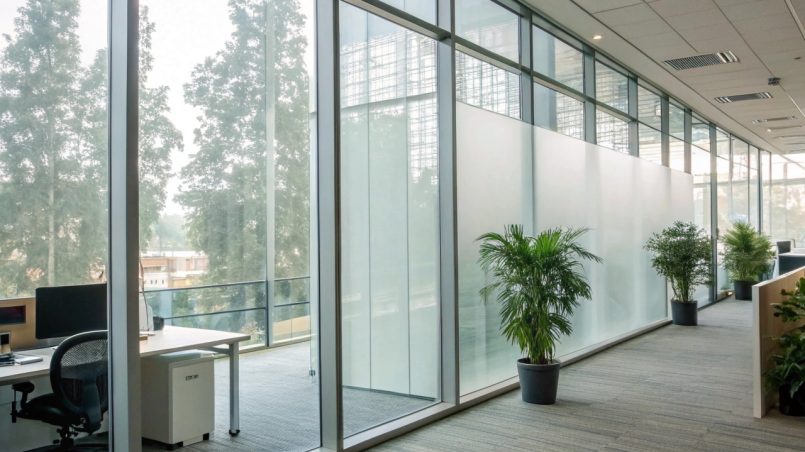
- Window films maintain privacy while still allowing the benefits of natural light.
- They offer valuable protection against UV damage, helping preserve office interiors for longer.
Introduction
Creating a healthy, productive, and visually appealing workplace is vital for businesses looking to enhance employee well-being and maximize efficiency. Many organizations today are turning to practical solutions, such as commercial window tinting, to address a range of office challenges, including glare and overheating, as well as privacy and interior protection. Window films, while often overlooked, are a practical, cost-effective tool that helps create a more comfortable, energy-efficient environment.
As workplace design trends move toward more natural light and open spaces, managing sunlight and preserving energy efficiency have become growing concerns. Office window films are a strategic solution that offers benefits without compromising aesthetics or accessibility. By thoughtfully applying these films, businesses can transform their office environment with minimal disruption.
For those seeking similar improvements at home, home window tinting offers many of the same comfort and energy-efficiency benefits.
Reducing Glare for Enhanced Productivity
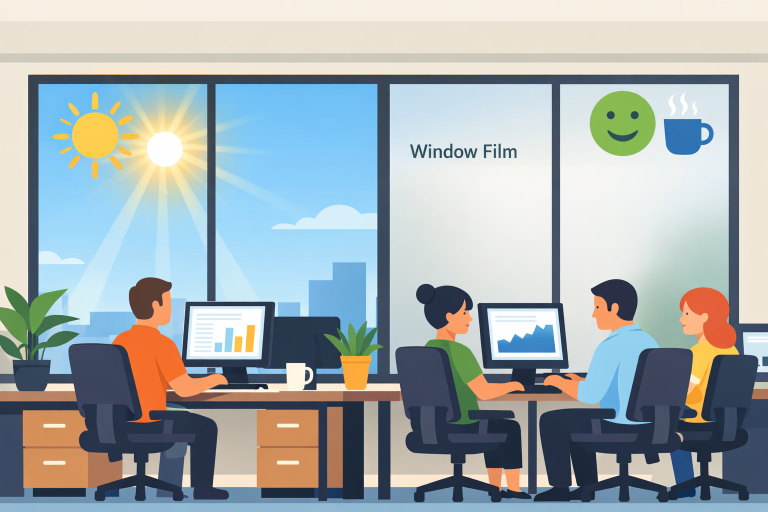
Glare from direct sunlight is a frequent problem in modern offices with large windows. The strong reflections on computer screens can lead to significant eye strain, headaches, and general discomfort, all of which can detract from employee productivity and job satisfaction. Office window films address this annoyance by filtering incoming light and minimizing reflections on digital devices. This creates a more visually comfortable environment and enables employees to focus better on their work without constant visual distractions. According to the New York Times, effectively managing workplace lighting can enhance focus and reduce digital fatigue, contributing to a healthier workplace.
Temperature Regulation and Energy Efficiency
Temperature inconsistencies are another significant complaint in many office environments. Spaces exposed to direct sunlight are often warmer, causing discomfort and placing additional stress on HVAC systems as they work harder to cool the area. Window films significantly reduce solar heat gain, helping maintain a balanced indoor climate. High-quality films can block up to 70% of unwanted heat, resulting in a more comfortable workspace and measurable reductions in energy expenses. According to the U.S. Department of Energy, heat gain and heat loss through windows are responsible for 25%–30% of residential heating and cooling energy use. Learn more about energy-efficient windows.
Enhancing Privacy Without Sacrificing Natural Light
Open-plan offices and meeting spaces frequently require a balance of privacy and transparency. Traditional solutions like blinds or curtains can block beneficial daylight, creating a darker, less inviting atmosphere. Office window films can be customized with varying degrees of opacity or tint, allowing just the right amount of privacy while maximizing daylight. These films let in plenty of natural light without compromising confidentiality, which is particularly valuable in conference rooms, executive offices, and shared workspaces.
Protecting Interiors from UV Damage
Prolonged exposure to UV rays causes fading and degradation of office furnishings, carpets, and equipment. Window films act as a shield, filtering out up to 99% of harmful UV rays, ultimately protecting expensive assets and reducing the frequency of refurbishments and replacements. This not only preserves the financial investment in office interiors but also helps create a healthier work environment by reducing staff exposure to potentially harmful ultraviolet radiation. The CNN Health section explains how minimizing indoor UV exposure provides both health and material preservation benefits.
Improving Aesthetic Appeal
Modern window films come in a wide variety of finishes, tints, and patterns, making it easy for businesses to complement office décor. In addition to their functional benefits, these visual enhancements allow companies to reinforce branding, add privacy, or improve the overall look and feel of their workspace. By selecting films that align with the office’s interior style, businesses can achieve both form and function, creating an inviting, modern environment for employees and clients alike.
Cost-Effective Solution
Traditional solutions for managing heat, glare, and privacy, such as replacing windows or installing elaborate window treatments, can be prohibitively expensive. By comparison, window films represent a cost-effective way to address multiple issues at once. They are generally quick to install and require little ongoing maintenance. Many businesses find that the return on investment comes not only from direct energy savings but also from reduced wear and tear on furnishings and fewer staff complaints about temperature or glare issues.
Conclusion
Office window films offer a comprehensive approach to workplace comfort, efficiency, and preservation. By addressing common pain points such as glare, heat, privacy, and UV exposure, they support a healthier, more productive work environment. Their versatility and affordability also make them a logical choice for offices aiming to optimize their space and resources. Ultimately, investing in window films is a smart strategy for companies looking to create a better office for their teams and a smarter, more sustainable future for their business.